

Advanced Estate Planning Tax Strategies: Key Questions to Define Your Plan
Understanding the Purpose of Advanced Estate Planning
Advanced estate planning tax strategies can help individuals organize asset transfers, address potential tax implications, and align long-term legacy goals with their personal priorities. Asking thoughtful questions is often the first step in determining which planning tools may be appropriate. This guide provides an educational framework for evaluating key considerations.

Clarifying Legacy and Beneficiary Objectives
Before selecting planning structures, it can be helpful to define the purpose of your estate plan. Clear objectives support more informed decisions about trusts, gifting approaches, and long-term distribution preferences.
Questions to Consider:
Who are the primary and secondary beneficiaries of your estate?
How important is control over the timing or structure of distributions?
Are there philanthropic intentions you want incorporated into your plan?
Do potential estate tax exposures influence your objectives?
These questions help establish a foundation for determining the appropriate planning tools.
Evaluating Beneficiary Needs
Beneficiaries may have unique financial needs or circumstances that influence how assets should be transferred.
Questions to Consider:
Will any beneficiaries require long-term income instead of lump‑sum inheritances?
Are there education or healthcare needs to plan for over time?
Should protections be considered for beneficiaries with limited financial experience?
Are there special needs that require coordination with government benefit rules?
Understanding these dynamics supports thoughtful allocation and structuring of assets.

Identifying Tax-Efficient Structures
Advanced estate planning often includes tools such as irrevocable trusts, family entities, and other vehicles designed to manage transfer taxes.
Questions to Consider:
How do current federal and state tax exemptions affect your planning options?
Would a GRAT, charitable remainder trust, or qualified personal residence trust be appropriate?
Could a family limited partnership support long-term stewardship of assets?
Are valuation discounts relevant based on the nature of transferred property?
Each option has distinct administrative and tax considerations that require professional guidance.
Balancing Liquidity and Transfer Timing
Liquidity planning is essential for ensuring that executors and trustees can meet obligations without selling assets unexpectedly.
Questions to Consider:
What are your projected estate administration and tax costs?
Do you anticipate the need for cash reserves within your plan?
How might annual gifting complement broader transfer goals?
Are any assets illiquid or subject to retention requirements?
A balanced approach may help support both near‑term and long‑term estate objectives.
Planning for Business Succession
Business interests may require additional attention due to ownership, valuation, and continuity considerations.
Questions to Consider:
Should a buy-sell agreement be incorporated into your plan?
Would gradual transfers through trusts or family entities support your goals?
Is a formal valuation process needed for equity transfer?
How can governance structures be aligned with long-term objectives?
Business succession planning often intersects with estate and tax planning, making coordination essential.
Maintaining Documentation and Review Processes
Estate planning is rarely static. Written records and review schedules help ensure strategies remain aligned with evolving circumstances.
Questions to Consider:
Do you maintain a record of major planning decisions and updates?
How often will you review your plan with your advisory team?
Are there life events that should automatically trigger a reassessment?
Are beneficiary designations and asset titling updated consistently?
Regular reviews help ensure the plan reflects current goals and laws.
Incorporating Philanthropic Goals
Charitable planning can be integrated into an estate strategy in ways that support both family and philanthropic interests.
Questions to Consider:
Which charitable causes align with your values?
Are donor-advised funds or charitable trusts appropriate for your goals?
Do you prefer immediate charitable impact or long-term structured giving?
How do charitable strategies fit alongside tax and legacy considerations?
Monitoring and Updating Strategies
Tax laws and family circumstances change over time. Periodic monitoring may help preserve intended outcomes.
Questions to Consider:
Are there potential changes to exemption levels or tax rates to be aware of?
Do trust provisions still reflect current preferences?
Are asset valuations current, especially for private or illiquid holdings?
A consistent review rhythm helps maintain clarity across all aspects of the plan.
Conclusion
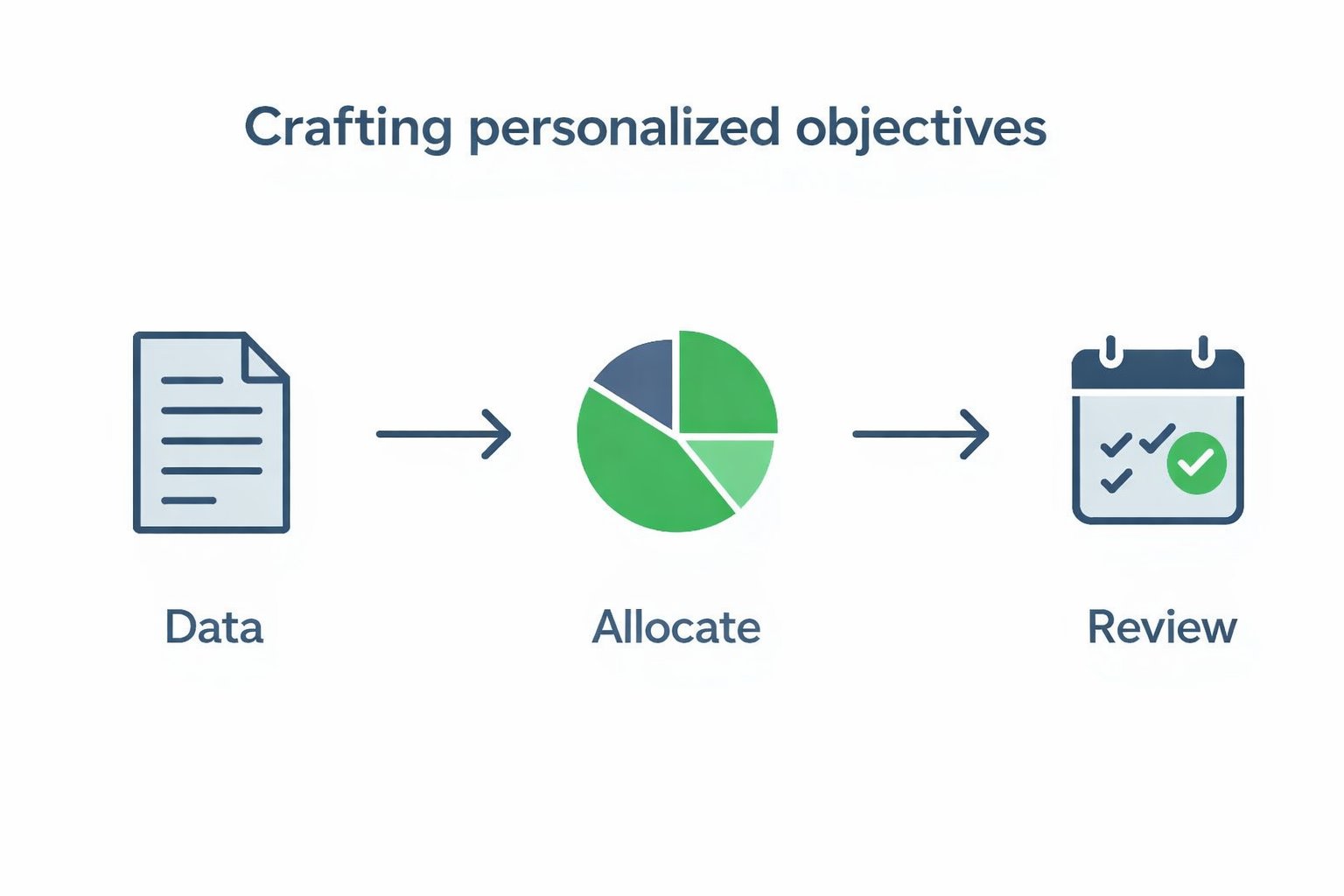
Advanced estate planning tax strategies are most effective when guided by thoughtful questions, clear goals, and coordinated professional support. By evaluating beneficiary needs, liquidity considerations, tax structures, and philanthropic interests, individuals can develop strategies that evolve alongside their circumstances.
Investment advice offered through Stratos Wealth Partners, Ltd., a registered investment advisor. Stratos Wealth Partners, Ltd and Parkview Partners Capital Management are separate entities. Neither Stratos nor Parkview Partners Capital Management provides legal or tax advice. Please consult legal or tax professionals for specific information regarding your individual situation. Investing involves risk, including possible loss of principal. The information presented is for educational purposes only and should not be interpreted as individualized investment, tax, or legal advice. Past performance is not indicative of future results. For more information, please review our Form ADV, available upon request.


Comments