

Advanced Estate Planning Tax Strategies: A Guide for High Net Worth Individuals
Understanding Advanced Estate Planning
Estate planning for high net worth individuals often involves navigating complex tax considerations while coordinating long-term wealth transfer, asset protection, and legacy goals. Advanced strategies are typically evaluated when estate size, business interests, or multigenerational objectives introduce additional planning complexity.
This guide provides a high-level educational overview of commonly discussed estate planning tax strategies. The appropriateness of any strategy depends on individual circumstances, current tax law, and professional guidance.

Federal and State Estate Tax Framework
Estate tax exposure depends on both federal and state regulations. Federal estate tax exemptions and rates are subject to legislative change, which makes ongoing review an important part of planning.
Some states impose separate estate or inheritance taxes with lower exemption thresholds than federal limits. Understanding how these layers interact helps frame long-term planning decisions.
Lifetime Gifting Strategies
Annual Exclusion Gifting
Individuals may make gifts up to the annual exclusion amount per recipient without using lifetime estate and gift tax exemptions. Over time, this approach may reduce the taxable estate while transferring wealth gradually.
Strategic Use of Lifetime Exemption
Larger gifts may use a portion of the lifetime exemption. High net worth individuals often evaluate whether to use exemption amounts proactively, particularly when exemption levels are expected to change.
Trust-Based Planning Approaches
Irrevocable Trusts
Irrevocable trusts are frequently used to remove assets from the taxable estate while maintaining structured distribution terms. Examples include irrevocable life insurance trusts (ILITs) and grantor trusts.
Once funded, these trusts generally cannot be modified, which underscores the importance of careful design.
Grantor Retained Annuity Trusts (GRATs)
GRATs allow a grantor to transfer appreciating assets while receiving annuity payments for a defined term. Remaining assets may pass to beneficiaries with reduced gift tax exposure, subject to IRS rules.
Spousal Lifetime Access Trusts (SLATs)
SLATs are irrevocable trusts established for the benefit of a spouse. They may allow indirect access to trust assets while removing them from the taxable estate.
Each trust structure involves distinct legal and tax considerations.

Valuation and Discounting Considerations
Asset valuation plays a critical role in estate planning.
Common Valuation Factors
Minority ownership interests
Lack of marketability
Independent appraisals for closely held businesses or real estate
Proper valuation documentation is essential for compliance and audit support.
Charitable Planning Techniques
Charitable strategies may align philanthropic objectives with estate tax planning goals.
Common Tools
Charitable remainder trusts (CRTs)
Charitable lead trusts (CLTs)
Donor-advised funds
Private foundations
These approaches may reduce taxable estate value while supporting long-term charitable intent.
Life Insurance and Liquidity Planning
Life insurance is often used to provide liquidity for estate taxes, helping beneficiaries avoid forced asset sales. When held within an irrevocable life insurance trust, proceeds may be excluded from the taxable estate, subject to applicable rules.
Liquidity planning is especially important when estates include illiquid assets such as businesses or real estate.
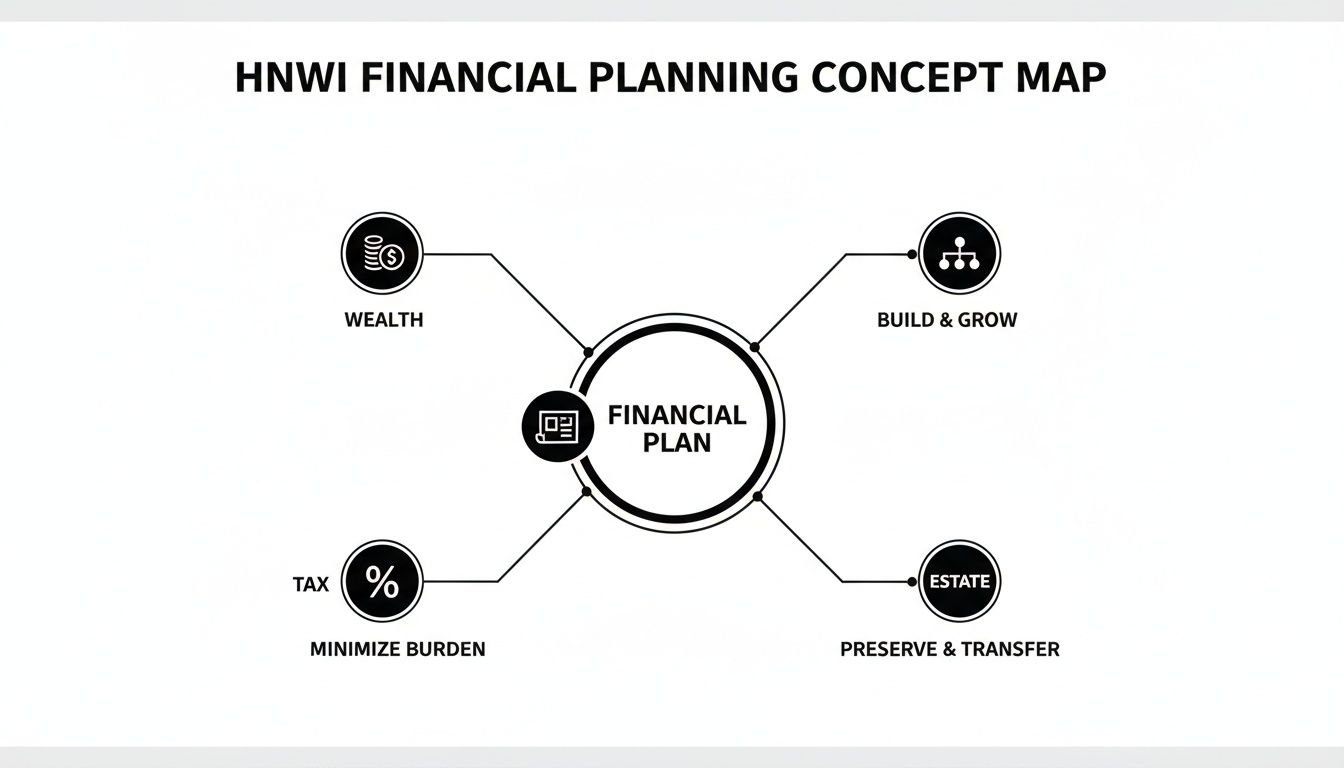
Coordination With Broader Wealth Planning
Advanced estate tax strategies are most effective when coordinated with:
Investment strategy
Business succession planning
Retirement income planning
Family governance and legacy objectives
Regular review helps ensure strategies remain aligned as laws and circumstances evolve.
Conclusion
Estate planning for high net worth individuals involves thoughtful coordination of gifting strategies, trust structures, valuation considerations, and charitable planning tools. These strategies are highly individualized and depend on current tax law and long-term objectives.
Given the complexity involved, professional guidance is an important part of evaluating and implementing advanced estate planning tax strategies.
Investment advice offered through Stratos Wealth Partners, Ltd., a registered investment advisor. Stratos Wealth Partners, Ltd and Parkview Partners Capital Management are separate entities. Neither Stratos nor Parkview Partners Capital Management provides legal or tax advice. Please consult legal or tax professionals for specific information regarding your individual situation. Investing involves risk, including possible loss of principal. The information presented is for educational purposes only and should not be interpreted as individualized investment, tax, or legal advice. Past performance is not indicative of future results. For more information, please review our Form ADV, available upon request.


Comments