

How to Choose an Ohio Investment Advisor: A Guide for Your Financial Future
Finding an Ohio investment advisor is an important step in organizing your financial life and building a long-term strategy. With firms ranging from independent advisors in Columbus to large institutions across the state, taking a thoughtful and informed approach can help you select a professional who is aligned with your needs. This guide outlines factors to consider when evaluating potential advisors and steps you can take to confidently narrow your choices.
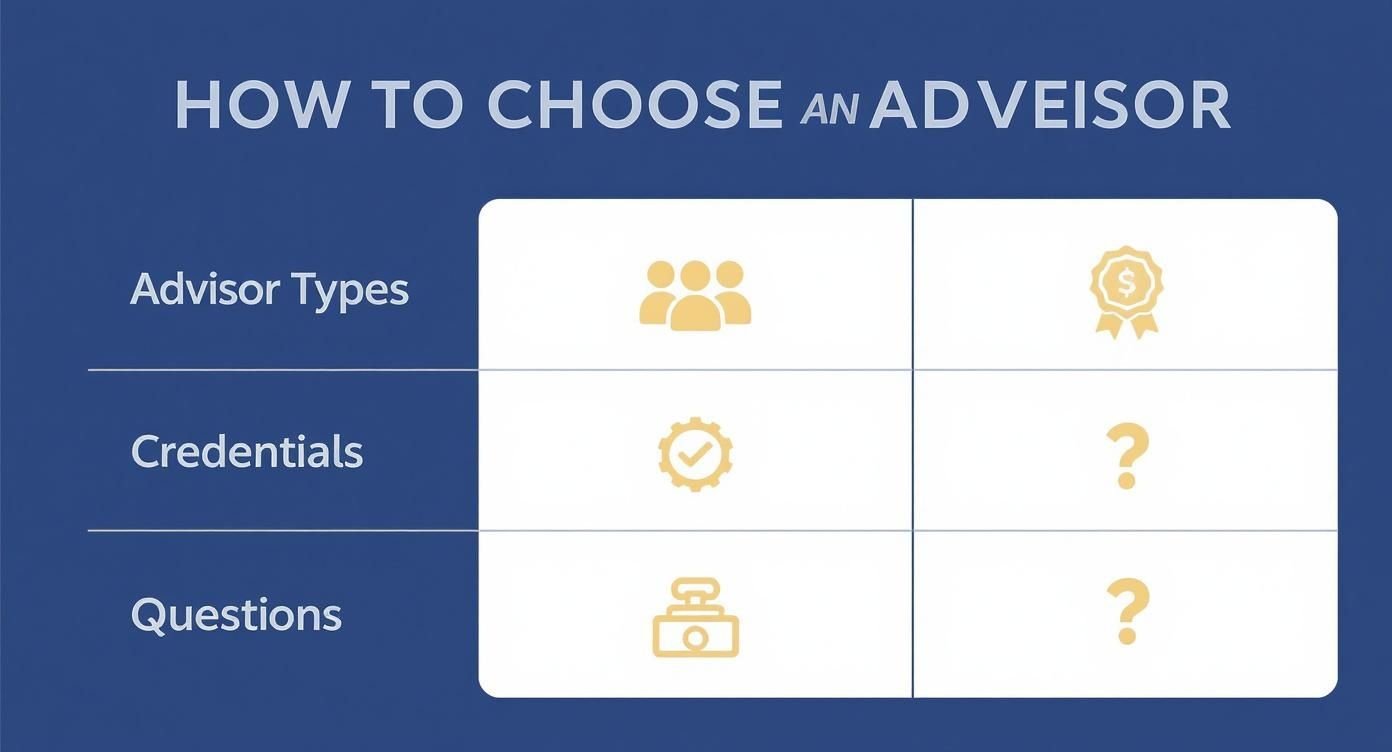
Key Factors to Consider When Evaluating Ohio Investment Advisors
When you begin reviewing Ohio-based advisory firms, you will find a variety of service models, fee structures, and regulatory standards. Understanding these differences can help you determine which type of professional may best fit your circumstances.
One of the most important distinctions is whether an advisor operates as a fiduciary, meaning they are required to act in the client’s best interest. This is different from the suitability standard, which only requires that a recommendation be appropriate. Clarifying the advisor’s obligations and compensation model is an essential early step in your evaluation process.
Implementation Considerations
Fiduciary Duty: Seek clarity on whether the advisor operates under a fiduciary standard and in what contexts.
Compensation Models: Understand fee-only, fee-based, and commission-based arrangements. Differences may affect how an advisor is compensated for recommendations.
Professional Credentials: Credentials such as CFP® or CFA indicate a commitment to education and ethical industry standards.
Regulatory History: Public tools such as the SEC’s IAPD database and FINRA’s BrokerCheck allow you to review an advisor’s background for disclosures or disciplinary history.
How to Verify an Advisor's Credentials and Background
Performing due diligence is an important step before engaging any advisory firm. Independent verification allows you to better understand a professional’s background, qualifications, and regulatory record.
Implementation Considerations
Use Public Databases: Review a firm’s Form ADV on the SEC’s IAPD website and check BrokerCheck for background details.
Confirm Credentials: Verify certifications directly with the issuing organizations to ensure designations are current and in good standing.
Review Disclosures: Take note of any regulatory events, customer disputes, or employment terminations.
Assess Firm Alignment: Evaluate whether the advisor’s typical client profile and services match your needs.

Questions to Ask When Meeting With a Potential Advisor
Your first meeting with a prospective advisor is an opportunity to understand their approach, communication style, and services. Preparing thoughtful questions can help guide the conversation and clarify whether the advisor may be a good fit.
Implementation Considerations
Investment Philosophy: “How would you describe your investment philosophy, and how might it apply to my situation?”
Compensation and Fees: Request a clear explanation of the firm’s advisory fees, fund expenses, and any additional costs.
Client Service Model: “How do you typically work with the types of investors you serve, and how often will we communicate?”
Risk and Volatility: “How do you approach risk management and communicate during periods of market volatility?”
The Value of Working With a Local Ohio Advisor
While many investors work with advisors across the country, Ohio-based professionals may offer familiarity with local tax considerations, retirement systems, and regional economic factors.
Implementation Considerations
State Tax Planning: Ohio advisors may be better equipped to discuss state-specific tax considerations.
Local Economic Knowledge: Awareness of local industries and economic trends can support certain planning discussions.
Professional Network: Local firms often have established relationships with accountants, attorneys, and other professionals that support integrated planning.
Final Thoughts
Choosing an investment advisor is a meaningful decision that benefits from thoughtful research and due diligence. By understanding fiduciary standards, reviewing credentials, and asking the right questions, you can better determine whether an advisor is aligned with your needs and preferences. A successful advisory relationship is built on clarity, communication, and a personalized, professional approach.
Investment advice offered through Stratos Wealth Partners, Ltd., a registered investment advisor. Stratos Wealth Partners, Ltd and Parkview Partners Capital Management are separate entities. Investing involves risk, including possible loss of principal. The information presented is for educational purposes only and should not be interpreted as individualized investment, tax, or legal advice. Past performance is not indicative of future results. For more information, please review our Form ADV, available upon request.


Comments