

A Fiduciary's Guide on How to Select Mutual Funds
Understanding the Fiduciary Standard
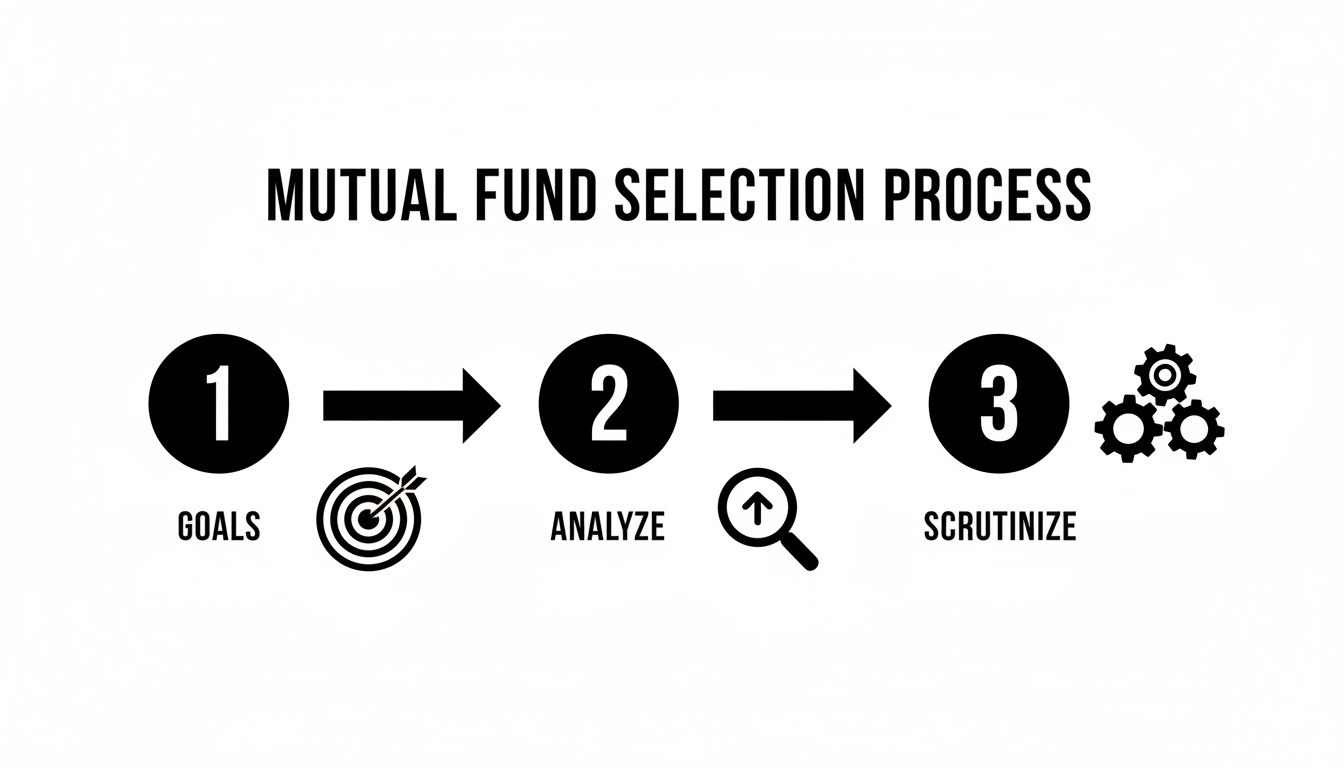
A fiduciary is obligated to act in the best interest of clients, placing client interests ahead of personal or institutional incentives. When evaluating mutual funds, fiduciaries typically apply a structured, repeatable process designed to support comprehensive and well-documented decision-making.
Mutual fund selection is not based solely on recent performance. Instead, it often reflects a broader assessment of strategy, risk, cost, and suitability within a portfolio context.
Defining the Role of the Mutual Fund
Before selecting a specific fund, fiduciaries generally define its intended role within the portfolio.
Considerations may include:
Asset class exposure
Income generation
Diversification benefits
Risk characteristics
Correlation with other holdings
Clarifying purpose helps prevent overlap and unintended concentration.
Evaluating Investment Strategy
Understanding how a mutual fund invests is a foundational step.
Areas of review often include:
Investment objective
Asset selection methodology
Sector or geographic focus
Turnover levels
Benchmark alignment
A clear understanding of strategy helps assess whether the fund aligns with portfolio objectives.
Assessing Risk Characteristics
Risk evaluation goes beyond volatility metrics.
Common review areas may include:
Standard deviation and drawdown history
Downside capture ratios
Sector or style concentration
Credit quality for fixed-income funds
Risk metrics are typically evaluated relative to both benchmarks and peer groups.
Reviewing Historical Performance
While past performance is not a guarantee of future results, fiduciaries may review performance history to assess consistency across market cycles.
Key considerations often include:
Long-term return patterns
Performance during periods of market stress
Consistency relative to benchmark
Risk-adjusted return metrics
Short-term performance alone is rarely sufficient for fund selection decisions.

Expense Ratio and Cost Structure
Investment costs directly affect net returns. Fiduciaries commonly review:
Expense ratio
Sales loads or transaction fees
12b-1 distribution fees
Portfolio turnover costs
Lower cost does not automatically indicate suitability, but cost is evaluated in relation to strategy and value provided.
Manager Tenure and Stability
The experience and stability of the portfolio management team may influence fund evaluation.
Areas of consideration include:
Manager tenure
Succession planning
Organizational stability
Consistency in stated investment process
Frequent management changes may warrant additional review.
Operational and Structural Review
Fiduciary evaluation may also include operational due diligence, such as:
Fund company governance
Compliance oversight
Custodial structure
Trading practices
Operational review supports broader risk awareness beyond performance metrics.

Ongoing Monitoring and Review
Mutual fund selection is not a one-time decision. Ongoing monitoring may include:
Periodic performance evaluation
Expense ratio review
Strategy consistency assessment
Manager or structural changes
If a fund no longer aligns with its intended role, reassessment may be appropriate.
Diversification and Portfolio Context
A mutual fund is typically evaluated within the broader portfolio framework rather than in isolation. Even well-managed funds may introduce unintended concentration if not properly coordinated with other holdings.
Portfolio-level analysis helps ensure alignment with overall asset allocation and risk parameters.
Documentation and Process Discipline
A documented, repeatable evaluation process supports fiduciary oversight and consistency. Maintaining records of selection criteria, monitoring steps, and review outcomes may help demonstrate alignment with fiduciary responsibilities.

Conclusion
Selecting mutual funds under a fiduciary framework involves structured analysis of strategy, risk, cost, management stability, and portfolio role. By applying a disciplined evaluation process and conducting ongoing review, fiduciaries strive to support alignment between investment selections and long-term financial objectives.
Investment advice offered through Stratos Wealth Partners, Ltd., a registered investment advisor. Stratos Wealth Partners, Ltd. and Parkview Partners Capital Management are separate entities. Neither Stratos nor Parkview Partners Capital Management provides legal or tax advice. Please consult legal or tax professionals for specific information regarding your individual situation. Please consult with your professional advisors before taking any action. Past performance is not a guarantee of future results.


Comments